Rustic Salmon Cakes with Cilantro
Highlighted under: Cultural Food
When I first experimented with these Rustic Salmon Cakes, I never imagined they would become a family favorite! The combination of flaky salmon and fresh cilantro creates a delightful flavor profile that pairs beautifully with a tangy sauce. I love how simple the recipe is; it takes minimal time yet delivers a gourmet experience. Each bite is packed with freshness, making it a perfect dish for any gathering or a cozy dinner at home. Trust me, these cakes are sure to impress your guests and keep them coming back for more.
I vividly remember the first time I served these Rustic Salmon Cakes at a family dinner. The golden crust filled with tender salmon and bright cilantro was a hit! I was pleasantly surprised by how well the flavors meld together. One tip I found useful is to chill the salmon mixture before cooking; it helps the cakes hold their shape better while frying.
I love experimenting with different herbs, but cilantro really takes these salmon cakes to another level. The freshness and aroma make every bite simply irresistible. Pair it with a dollop of homemade tartar sauce, and you’ll have a dish that feels special but is so easy to prepare!
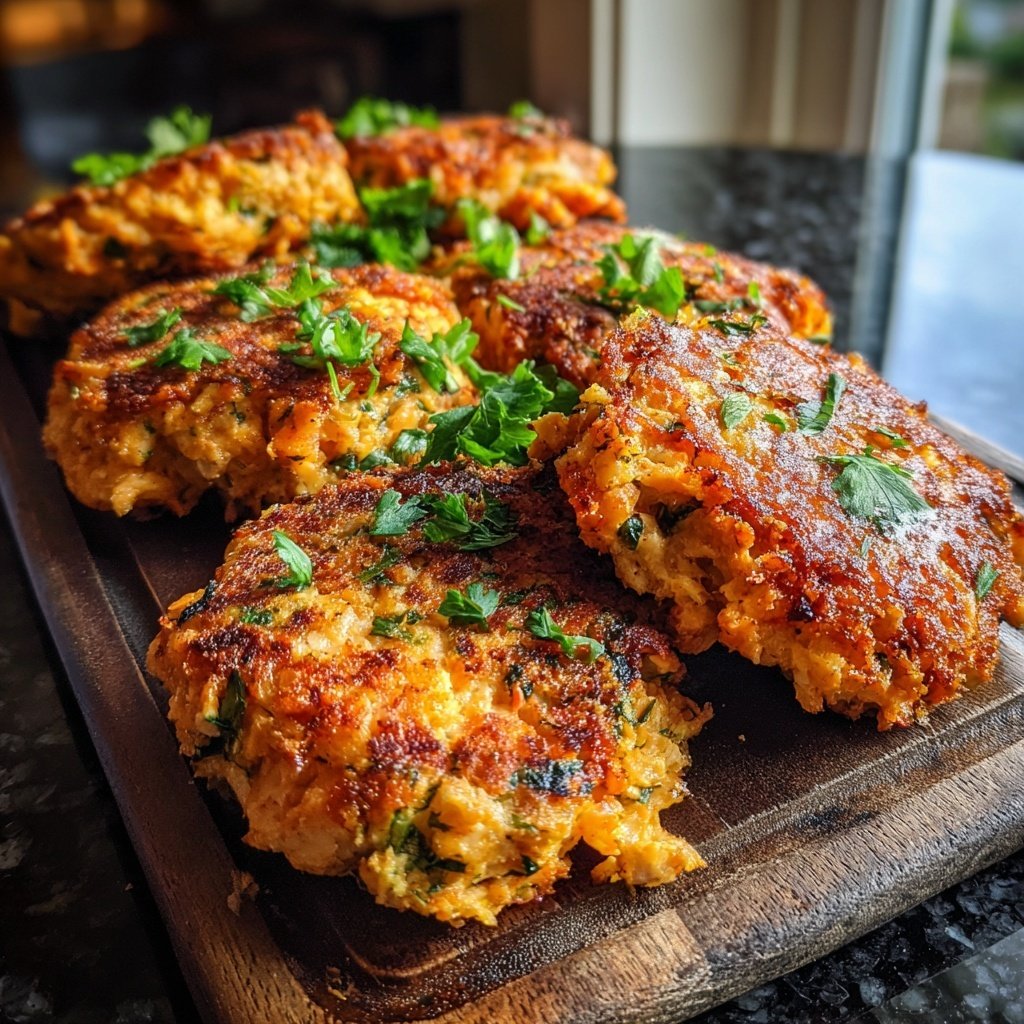
Why You'll Love This Recipe
- Deliciously flaky texture with vibrant fresh herbs
- Quick to prepare, perfect for weeknight dinners
- A crowd-pleaser that's sure to impress at any gathering
The Perfect Blend of Ingredients
The combination of salmon and fresh cilantro not only creates a vibrant flavor, but it also contributes to the texture of these cakes. The salmon provides a rich flakiness, while the breadcrumbs act as a binding agent, ensuring that the patties hold together during cooking. I recommend using panko breadcrumbs for extra crunch, but regular breadcrumbs work just fine; just be mindful that panko may yield a crispier end result.
Adding green onion introduces a mild onion flavor that complements the richness of salmon without overpowering it. If you're not a fan of green onions, you can substitute them with finely chopped shallots. The egg plays a crucial role in binding the ingredients, so make sure to adjust the quantity if you’re scaling the recipe up or down. For a vegan version, consider using flaxseed meal mixed with water as an egg substitute.
Cooking Techniques for Success
When frying the salmon cakes, ensure your skillet is preheated to medium heat before adding the olive oil; this helps achieve that golden-brown crust. If the oil starts to smoke, your pan is too hot, so lower the heat slightly. Frying in batches can also help maintain the temperature—cooking too many cakes at once can cause the oil temperature to drop, resulting in soggy cakes instead of crispy ones.
If you find that your salmon cakes are falling apart in the pan, try adding a bit more breadcrumb or a second egg to the mixture. Conversely, if they’re too dense, adding a touch of water or more mustard can help lighten the texture. Remember to monitor closely while frying and flip gently to prevent any breakage.
Ingredients for Rustic Salmon Cakes
For the Salmon Cakes
- 2 cans (6 oz each) salmon, drained and flaked
- 1/2 cup breadcrumbs
- 1/4 cup fresh cilantro, chopped
- 1/4 cup green onion, finely sliced
- 1 large egg
- 1 tablespoon Dijon mustard
- 1 teaspoon garlic powder
- Salt and pepper to taste
- Olive oil for frying
For the Tartar Sauce (optional)
- 1/2 cup mayonnaise
- 1 tablespoon lemon juice
- 1 tablespoon capers, minced
- 1 teaspoon dill, chopped
- Salt and pepper to taste
Preparation Steps
How to Make Rustic Salmon Cakes
Prepare the Salmon Mixture
In a large bowl, combine the flaked salmon, breadcrumbs, cilantro, green onion, egg, Dijon mustard, garlic powder, salt, and pepper. Mix until well combined.
Form the Cakes
Shape the mixture into patties, about 2-3 inches wide. Place them on a plate and refrigerate for at least 15 minutes to firm up.
Cook the Salmon Cakes
Heat olive oil in a skillet over medium heat. Fry the patties for about 4-5 minutes on each side, or until golden brown and cooked through.
Prepare the Tartar Sauce
In a small bowl, mix mayonnaise, lemon juice, capers, dill, salt, and pepper. Adjust seasoning as desired.
Serve and Enjoy
Serve the salmon cakes with the tartar sauce on the side and garnish with additional cilantro if desired.
Enjoy your meal!
Pro Tips
- For added flavor, consider incorporating spices like smoked paprika or cayenne pepper into your salmon mixture. Additionally, using fresh salmon instead of canned can elevate the dish even further.
Serving Suggestions
These Rustic Salmon Cakes shine as a standalone dish, but they can easily be paired with various sides for a complete meal. I love serving them with a refreshing cucumber salad or a side of roasted vegetables. Additionally, they can be enjoyed on a toasted bun to create delicious salmon burgers, garnished with a slice of avocado or a dollop of tartar sauce.
For a twist on presentation, consider serving the cakes on a bed of mixed greens or alongside a zesty slaw. The tartar sauce, with its hint of lemon and capers, adds a brightness that complements the salmon beautifully. For special occasions, a sprinkle of additional cilantro or microgreens can elevate the dish visually and in flavor.
Make-Ahead and Storage Tips
If you want to save time, the salmon mixture can be prepared a day in advance and stored in the refrigerator. Just remember to cover it tightly. Forming and frying the cakes can be done right before serving for the best texture, so you won’t have to compromise on freshness. Alternatively, shape the cakes and freeze them for up to three months. Just make sure to place parchment paper between layers to prevent sticking.
When reheating, bake the frozen salmon cakes at 375°F (190°C) for about 15-20 minutes until heated through, turning them halfway for even cooking. This method helps retain their crispness without the need for additional oil. If you choose to pan-fry leftover cakes, do so over low heat to warm them through without burning the outside.
Questions About Recipes
→ Can I use fresh salmon instead of canned?
Absolutely! Just cook the fresh salmon first, then flake it to use in the recipe.
→ How can I store leftover salmon cakes?
Store leftover salmon cakes in an airtight container in the fridge for up to 3 days.
→ Can I freeze salmon cakes before cooking?
Yes, you can freeze the uncooked patties. Just layer them between parchment paper and thaw before cooking.
→ What can I serve with salmon cakes?
These salmon cakes pair wonderfully with a fresh salad, roasted vegetables, or on a bun as a salmon burger.
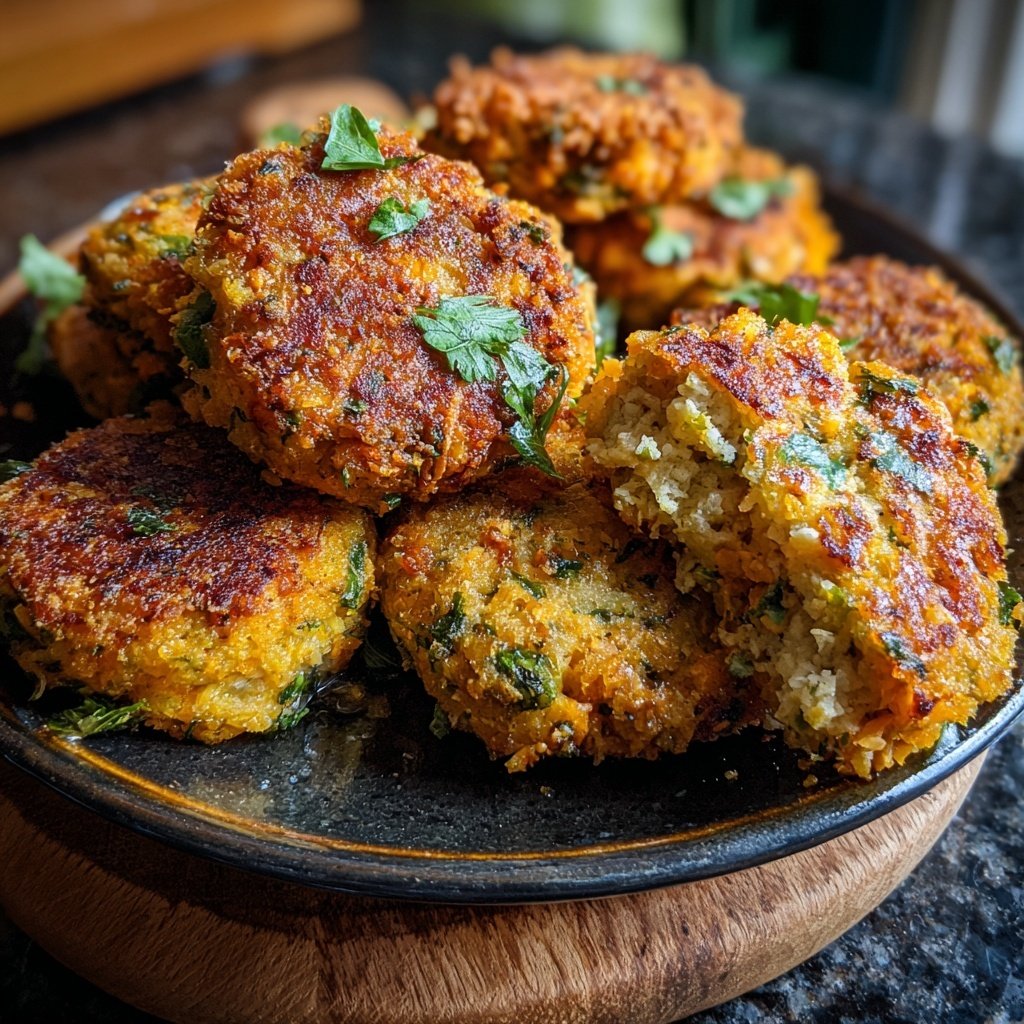
Rustic Salmon Cakes with Cilantro
Created by: The Chefoliviasfood Team
Recipe Type: Cultural Food
Skill Level: Intermediate
Final Quantity: 4 servings
What You'll Need
For the Salmon Cakes
- 2 cans (6 oz each) salmon, drained and flaked
- 1/2 cup breadcrumbs
- 1/4 cup fresh cilantro, chopped
- 1/4 cup green onion, finely sliced
- 1 large egg
- 1 tablespoon Dijon mustard
- 1 teaspoon garlic powder
- Salt and pepper to taste
- Olive oil for frying
For the Tartar Sauce (optional)
- 1/2 cup mayonnaise
- 1 tablespoon lemon juice
- 1 tablespoon capers, minced
- 1 teaspoon dill, chopped
- Salt and pepper to taste
How-To Steps
In a large bowl, combine the flaked salmon, breadcrumbs, cilantro, green onion, egg, Dijon mustard, garlic powder, salt, and pepper. Mix until well combined.
Shape the mixture into patties, about 2-3 inches wide. Place them on a plate and refrigerate for at least 15 minutes to firm up.
Heat olive oil in a skillet over medium heat. Fry the patties for about 4-5 minutes on each side, or until golden brown and cooked through.
In a small bowl, mix mayonnaise, lemon juice, capers, dill, salt, and pepper. Adjust seasoning as desired.
Serve the salmon cakes with the tartar sauce on the side and garnish with additional cilantro if desired.
Extra Tips
- For added flavor, consider incorporating spices like smoked paprika or cayenne pepper into your salmon mixture. Additionally, using fresh salmon instead of canned can elevate the dish even further.
Nutritional Breakdown (Per Serving)
- Calories: 320 kcal
- Total Fat: 20g
- Saturated Fat: 4g
- Cholesterol: 120mg
- Sodium: 550mg
- Total Carbohydrates: 15g
- Dietary Fiber: 1g
- Sugars: 1g
- Protein: 24g